

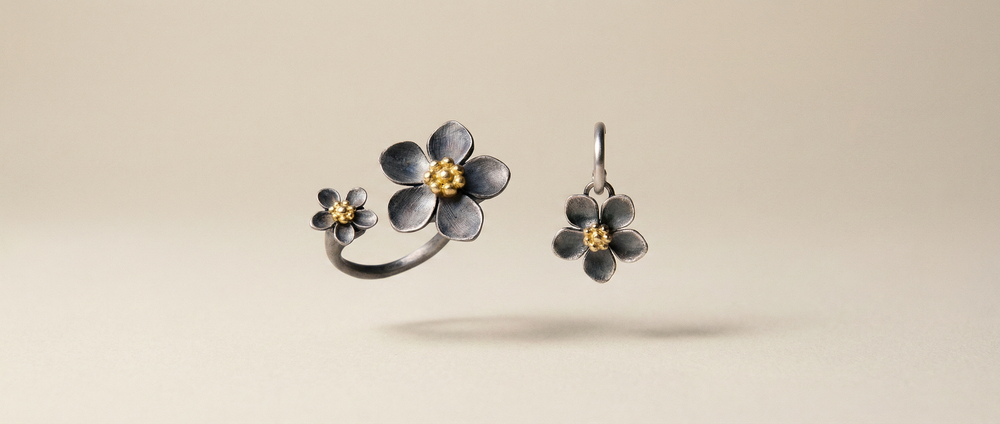

Yes, sterling silver does tarnish. But before you worry, know this: tarnishing is completely normal, entirely preventable, and easily reversible. Tarnish is not a sign that your jewellery is damaged or poorly made. It's simply a natural chemical reaction that happens when sterling silver comes into contact with certain elements in the air and on your skin. With a little knowledge and basic care, your pieces will stay radiant for decades.
At Golden Horn Jewellery, each piece is crafted to last. Understanding tarnish is part of understanding how to protect something worth protecting.
Why Does Sterling Silver Tarnish?
To understand tarnishing, it helps to know what sterling silver actually is. Sterling silver is 92.5% pure silver mixed with other metals — usually copper — to make it durable enough for wearable jewellery. That's what "925" means: 92.5% silver purity.
Tarnish occurs when sterling silver reacts with sulphur compounds in the air and moisture. This chemical reaction creates a dark layer of silver sulphide on the surface of your jewellery — the same process you might notice on silverware or antique pieces found in Istanbul's Grand Bazaar. It's unavoidable in nature, which is precisely why people have been caring for silver for thousands of years.
The copper content in 925 sterling silver is what makes tarnishing possible. Pure silver tarnishes far more slowly, but it's too soft for most jewellery applications. The trade-off is well worth it: you get a beautiful, durable metal that simply requires a little attention.
What Speeds Up Tarnishing?
While tarnishing happens naturally, certain factors accelerate the process considerably.
Humidity and moisture. High-humidity environments are tarnish's best friend. Showering or swimming while wearing your jewellery, living in a humid climate, or storing pieces in a bathroom all increase the rate of tarnishing.
Perfume and cosmetics. Perfumes, body lotions, hairsprays, and makeup contain chemicals that interact with sterling silver. A simple habit change — applying these products first, then putting on your jewellery — makes a meaningful difference.
Sweat and body oils. Your skin naturally produces oils and salt. People with more acidic skin chemistry may notice faster tarnishing. This is entirely normal and nothing to be concerned about — it simply means those pieces may need cleaning slightly more often.
Air pollution. Urban environments with higher pollution levels contain more sulphur compounds in the air. If you live in a city, your jewellery may tarnish a little faster than in rural settings.
Contact with certain materials. Rubber, wool, and some other fabrics contain sulphur compounds. Store your jewellery away from these materials. Chlorine in swimming pools and hot tubs also reacts with sterling silver, so it's best to remove your pieces before swimming.
Infrequent wearing. Interestingly, jewellery worn regularly tends to tarnish more slowly than pieces left in storage. The natural oils from your skin provide a subtle protective layer. Pieces stored for long periods may tarnish faster without this protection.
How to Prevent Tarnishing
Prevention is always simpler than reversal. These habits will keep your handcrafted sterling silver jewellery looking its best.
Store properly. Keep jewellery in a cool, dry place. Airtight storage — ziplock bags, jewellery boxes with secure closures, or dedicated silver pouches — works well. Anti-tarnish strips or silica gel packets inside storage containers help absorb moisture and sulphur compounds.
Wear your jewellery. Regular wear actually slows tarnishing. The natural oils from your skin provide protection, and movement prevents the buildup of tarnish-causing substances on the surface.
Apply cosmetics first. Make perfume, lotion, and makeup the first step of your routine. Add your jewellery last, once everything has dried.
Remove before water. Take off your jewellery before showering, swimming, or exercising. Occasional contact with water isn't harmful, but regular moisture exposure accelerates tarnishing.
Clean regularly. Gentle, routine cleaning removes oils, sweat, and environmental particles before they cause tarnishing. Even wiping your pieces with a soft cloth after wearing them makes a difference over time.
How to Remove Tarnish
If tarnish does appear, it's straightforward to remove. A soft microfibre cloth, a mild baking soda paste, or a specialist silver polishing cloth can restore brilliance in minutes. The key is to use soft materials and gentle pressure — never harsh scrubbing, which can scratch the surface of handcrafted pieces.
For a full walkthrough of the most effective cleaning methods, our guide on how to clean sterling silver jewellery at home covers everything you need to know, from quick daily maintenance to deeper cleaning for more stubborn tarnish.
Frequently Asked Questions
Does higher silver purity tarnish less?
Yes, with an important caveat. Pure silver (99.9%) tarnishes more slowly than 925 sterling silver because it contains no copper. However, pure silver is too soft for most jewellery — it bends and wears quickly. That's why 925 sterling silver is the standard for quality wearable jewellery. The slight trade-off in tarnish resistance is worth the durability you gain.
Is tarnished silver ruined?
Not at all. Tarnish is entirely surface-level — a chemical layer that sits on top of your jewellery without affecting the metal beneath. It's completely reversible with proper cleaning. Even antique silver pieces, some hundreds of years old, can be restored to their original beauty.
How long does it take for sterling silver to tarnish?
This varies considerably. In ideal storage conditions with infrequent wear, tarnishing might take months or even years. With regular wear in a humid environment, combined with exposure to perfumes and body oils, you might notice tarnish within weeks. Most people find that regularly worn pieces need cleaning every few months to maintain their shine.
Your Sterling Silver Is Made to Last
Sterling silver jewellery has been treasured across centuries and cultures — from the artisans of Istanbul's Grand Bazaar to jewellery lovers around the world today. Tarnishing is simply part of that heritage. It's a small price for owning something beautiful, durable, and real.
Our handcrafted pieces are made to be worn and loved. With the care outlined in this guide, your 925 sterling silver jewellery will remain a source of joy for years to come. Tarnish may visit occasionally — but it's never a concern, and it's never permanent. Explore our collections and find pieces that will become as meaningful to you as they are beautiful.